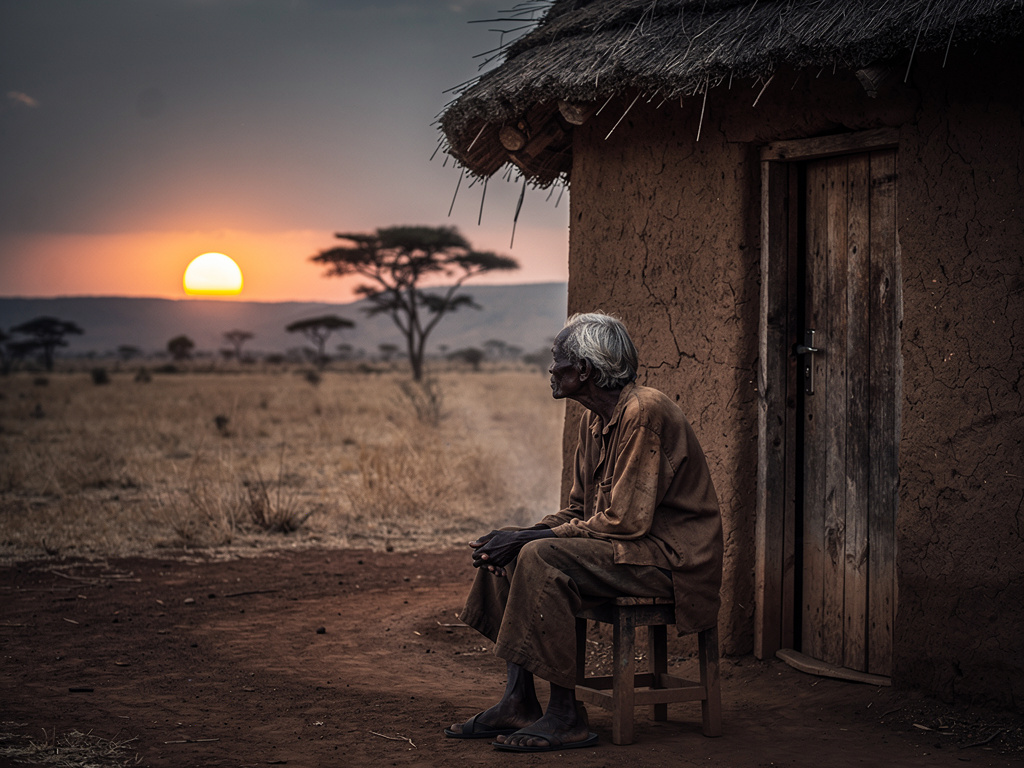
Waiting for Death in My Lonely Old Age
Name of Student
Name of University
Course Title
Professor’s Name
Date
Waiting for Death in My Lonely Old Age
If ever there is a phase in life that any aging parent dreads the most, it is the moment when the lastborn moves out of the home to start their own life, most often in far-away cities. At that moment, life seems meaningless, and one feels that all the struggles they had gone through to raise children were wasted efforts. In most African communities, parents invest in children hoping that they will take care of their aging parents when they grow. Thus, it comes as a devastating reality when the children move to the cities, leaving their parents back in the village, alone and unattended. Such was my experience when the lastborn got married, and I found myself living a lonely life.
When I got married, it was such a delightful and heartwarming moment when I held my firstborn, a bouncing baby boy I named Njamba , which means "warrior" in my mother tongue. It was an apt name for a baby boy in a community where inter-clan clashes were rampant and male children were viewed as a source of security. When the second-born came, a chubby baby girl with eyes as white as milk, I felt my heart melt like butter as I held her in my arms. Daughters are a mother's most intimate friend, and I thought I had found someone to keep me company whenever my polygamous husband spent the nights in the house of one of my four co-wives. By the time I turned 30, I was the proud mother of four sons and three daughters, who filled my home with merry laughter from dawn to dusk. Not even in my lowest moment did it ever occur to me that a time would come when I would lose them all in a few years.
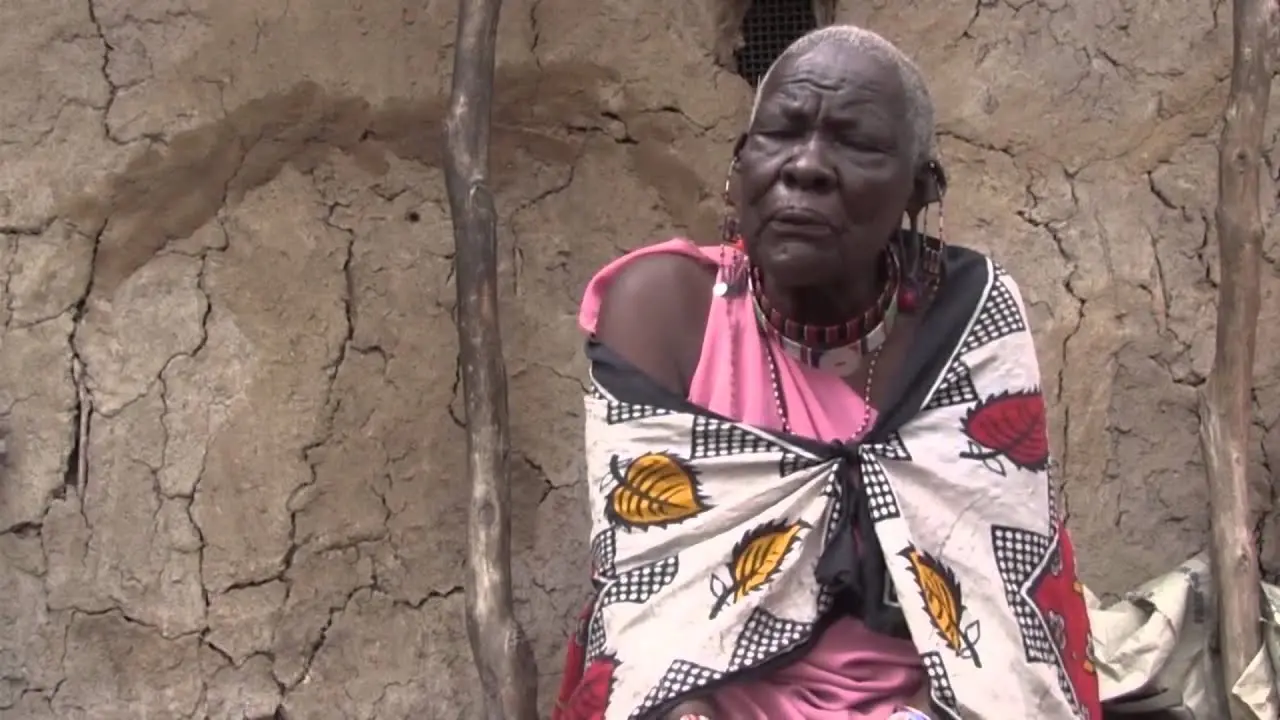
It was a bitter-sweet moment for me when my lastborn, a daughter I had become inseparably intimate with following my husband's death, broke the news that she had found the man to marry. Outwardly, I expressed happiness for her newfound love, but deep down, I felt sad for losing my only remaining caregiver. For the first time, I felt the full implication of old age for a lonely widow and wished that I could reverse time and regain my lost youth.
Many were the days I sat outside my mud hut, lost in deep thought, reflecting on my hopeless situation. I thought about the pain I had endured carrying pregnancy after pregnancy and felt that my children had betrayed me. I remembered the sleepless nights I had spent babysitting my children and the backbreaking toiling I had endured to feed and clothe them. Now, alone and abandoned, all those sacrifices meant nothing. As weird as it sounded, my only consolation was the knowledge that death was not far away. As I had come to realize, death is the only escape for neglected and suffering aging parents. Every sunset became a blessing that I savored to the fullest, and every new dawn brought me closer to my destiny. This realization gave me a new sense of contentment and enabled me to accept my situation as I waited for my eternal sleep. Every evening, I sat outside my hut and closed my eyes, longing for the time death would take me in a warm embrace.